XTB is a trusted and reputable broker recognized for its intuitive platform and extensive trading tools. XTB has gained the trust of over 1 million traders worldwide with regulations by top-tier authorities like the FCA, CySEC, and KNF.
Is XTB a good broker?
XTB is a solid choice for traders who want CFDs and long-term investments in one account.
The broker is regulated in the UK and Europe, and its xStation platform is one of the better proprietary trading apps I’ve used. It is clean, quick and easier to learn than some of the more cluttered third-party platforms.
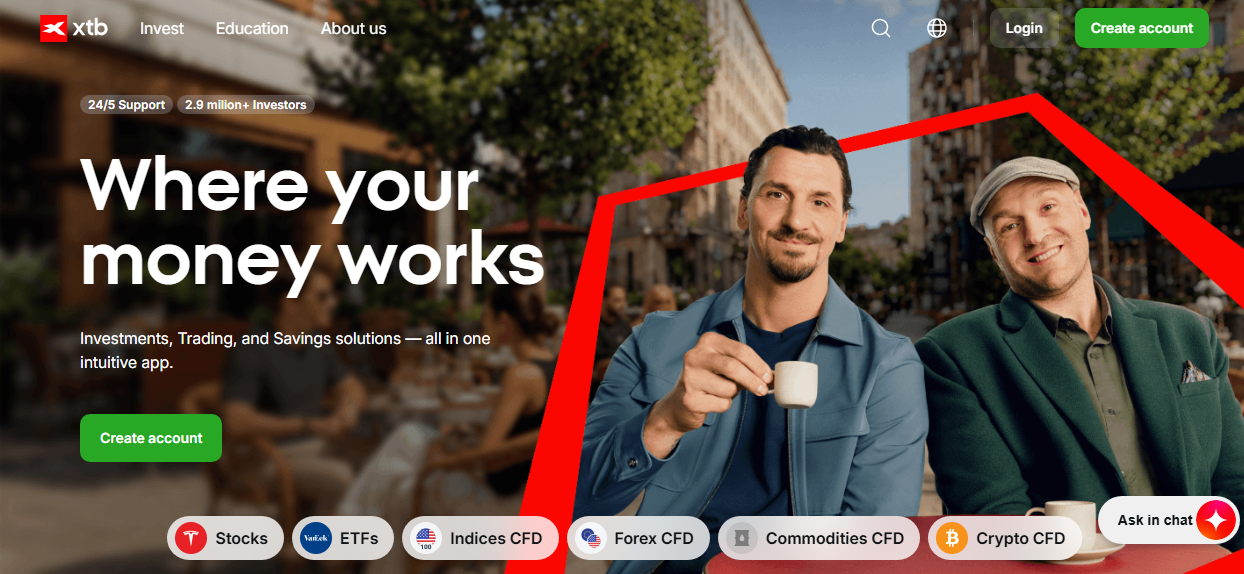
XTB makes the most sense for someone who does not want to manage separate apps for forex, CFDs, shares and ETFs. In supported countries, clients can trade leveraged products and buy real shares or ETFs from the same platform.
XTB Pros & Cons
| ✓ Pros | ✕ Cons |
| Negative balance protection | Limited managed account options |
| Islamic (swap-free) accounts available | Support response times may vary |
| Strong educational resources | VPS hosting for specific accounts only |
| Demo account available | Complex fee structure |
| Good customer support | Margin requirements can be high |
| No withdrawal fees | May have complex fee structure |
Safety and Security
Safety is an important factor when choosing an online trading broker. XTB is an international brokerage company that offers access to financial markets through its online trading services. It operates through regulated entities in different jurisdictions, and the protections available to clients depend on the company managing their accounts and the rules that apply in their country.
Before opening an account, traders should verify the relevant entity’s licence through the appropriate regulator’s official website. They should also review the broker’s client fund policies, account terms, and complaint procedures.
Depending on the jurisdiction, regulatory protections may include requirements concerning client money, risk disclosures, and negative balance protection. These safeguards are not identical for every customer, so it is important to check which protections apply to your account.
Trading forex and CFDs involves financial risk, particularly when leverage is used. Traders should understand the risks and review all relevant terms before depositing money.
Minimum Deposit and Account Types
XTB offers account options that allow clients to access its available trading products. Account availability, minimum deposit requirements, and trading conditions can vary depending on the country and the services offered by the relevant XTB entity.
Some accounts may provide access to a range of financial instruments through the broker’s trading platform. Depending on the jurisdiction, users may be able to trade CFDs or invest in selected shares and exchange-traded funds (ETFs).
Before registering, check whether a minimum initial deposit applies to your account. Also review the available account currencies, spreads, commissions, margin requirements, and any restrictions on the products you can access.
Beginners should take time to understand the difference between investing in an asset and trading a leveraged derivative. If a demo account is available, practising with virtual funds can help users become familiar with the platform before committing real money.
How to Open an XTB Account
Opening an XTB account generally involves registration and identity verification. The process may differ depending on the country where you live and the services available to you.
- Visit the official website: Select the XTB website or service appropriate for your country.
- Register your details: Provide the requested personal information and contact details.
- Verify your identity: Complete the required identity checks and submit supporting documents if requested.
- Complete any required assessments: Depending on the products and local regulations, you may need to provide information about your trading experience and financial knowledge.
- Review the account conditions: Check the available instruments, fees, and applicable risk disclosures.
- Fund your account: Choose a supported payment method and follow the current deposit instructions.
- Start using the platform: Explore the available tools and learn how orders work before making your first live trade.
Always ensure that your details are accurate and that you understand the terms of the specific XTB entity serving you. Account approval depends on eligibility and verification requirements.
Trading Platforms and Tools
XTB is known for its proprietary xStation platform, which provides access to trading tools and account information through a unified interface. Depending on the service available in your country, the platform may be accessible through a web browser or mobile application.
Its features may include interactive charts, technical indicators, price alerts, market information, and tools for managing open positions. Users can monitor their accounts and review market movements without necessarily relying on a separate third-party trading platform.
The available tools can help traders organise their analysis and manage orders. However, using charting features or technical indicators does not guarantee profitable results.
Before opening an account, check whether the platform supports the instruments you want to trade and whether all features are available in your region. Traders who prefer a particular third-party platform should confirm compatibility, as XTB’s main platform offering differs from brokers that primarily use MetaTrader.
Markets Available for Trade
XTB offers access to a variety of financial markets, although the available products depend on the client’s location and the services provided by the relevant entity.
The markets may include:
- Forex: Currency pairs from the global foreign exchange market.
- Indices: Instruments linked to selected stock market indices.
- Commodities: Products associated with markets such as oil, natural gas, and other commodities.
- Precious metals: Instruments linked to metals such as gold and silver.
- Shares: Selected company shares, where available.
- Exchange-traded funds (ETFs): Selected ETFs, depending on the jurisdiction.
- Cryptocurrency-related products: Selected instruments may be available in certain regions, subject to local rules.
Not every instrument is available to all customers. Some products may be offered as CFDs, while others may involve buying the underlying asset. These arrangements have different costs, risks, and ownership rights.
Before trading, review the current instrument list, trading hours, contract specifications, and any leverage restrictions. Make sure you understand the product structure before placing an order.
Fees, Spreads, and Commissions
Trading costs are an important part of comparing brokers. XTB’s fee structure can vary according to the product, account, jurisdiction, and market conditions.
The main costs to review include:
- Spreads: The difference between the buying and selling prices of an instrument.
- Commissions: Charges that may apply to certain products or transactions.
- Overnight financing: Fees or credits that may apply to leveraged positions held overnight.
- Currency conversion: Charges that may apply when an account and a transaction use different currencies.
- Inactivity fees: A fee may apply to accounts that meet the broker’s inactivity conditions.
- Other transaction costs: Exchange, market, or third-party charges may apply to certain products.
Some products may be available without a separate trading commission under specific conditions. However, this does not necessarily mean there are no costs, as spreads, conversion charges, or other fees may still apply.
Before funding your account, review the latest fee schedule for your country and the products you intend to use. Comparing the total cost of trading or investing is more useful than focusing on one advertised fee.
Deposits and Withdrawals
XTB provides deposit and withdrawal services, but the available payment methods and conditions can differ depending on the client’s location and account arrangements.
Depending on the region, supported methods may include bank transfers, payment cards, or selected electronic payment services. The availability of each option, along with minimum amounts and processing times, should be checked through the official website or account dashboard.
Before making a deposit, confirm whether your preferred method is supported and whether any transaction or currency conversion fees apply. It is also useful to review the withdrawal procedure before transferring money into your account.
Withdrawals may require identity verification or additional security checks. The time needed to receive funds can depend on the payment provider, banking procedures, and the broker’s processing requirements.
Keep records of your transactions and contact XTB through its official support channels if a payment is delayed or you need clarification about a withdrawal.
Education and Research
Educational resources can help traders understand financial markets and make better-informed decisions. XTB has provided educational and market-related resources, although the specific materials available may vary by region and over time.
Resources may include trading guides, webinars, market commentary, economic information, and explanations of financial instruments. These materials can help users learn about technical analysis, fundamental analysis, and the factors that influence market prices.
Beginners should focus on essential concepts such as spreads, leverage, margin, volatility, and risk management. Understanding the risks associated with each product is just as important as learning how to use the platform.
Market research and educational materials can provide useful context, but they cannot predict future price movements with certainty. Traders should assess information independently and avoid relying entirely on forecasts or trading signals.
Customer Support
Customer support is an important consideration when choosing a trading provider. Users may need assistance with registration, identity verification, platform features, deposits, withdrawals, or account settings.
XTB provides customer support through its available service channels, which may differ according to the client’s location and the relevant company entity. Check the official website for current contact methods, service hours, and language availability.
Before opening an account, review how to contact support and how account-related complaints are handled. Knowing where to get help can be useful if you experience a technical issue or have questions about a transaction.
For security, use official communication channels and never share your password or one-time verification codes with anyone claiming to represent the broker.
In Conclusion
XTB is an international brokerage company offering access to various financial markets through its xStation trading platform. Depending on the country, its services may include forex and CFD trading as well as selected shares and ETFs.
Its proprietary platform and range of market tools may appeal to traders who prefer managing their activities through one interface. However, the products, account conditions, fees, and regulatory protections available can differ significantly between jurisdictions.
Before opening an account, verify the legal entity serving your country, review the current fee schedule, and confirm which instruments are available. You should also understand whether you are purchasing an underlying asset or trading a derivative.
XTB may be worth comparing with other brokers, but the right choice depends on your goals, experience, and risk tolerance. Take time to understand the terms and risks before committing your money.
Frequently Asked Questions
1. What is XTB?
XTB is an international brokerage company that provides access to financial markets through its online trading services. Available products depend on the country and the legal entity serving the client.
2. Is XTB regulated?
XTB operates through regulated entities in different jurisdictions. The applicable regulator and client protections depend on the company managing your account. Verify the current licence directly with the relevant regulator before registering.
3. What is the minimum deposit at XTB?
Minimum deposit requirements can vary depending on the country, account arrangements, and payment method. Check the official website for the current requirements applicable to you.
4. Which trading platform does XTB offer?
XTB is known for its proprietary xStation platform, which may be available through a web browser or mobile application. Platform features and availability can vary by region.
5. What markets can I trade with XTB?
Depending on your location, available products may include forex, indices, commodities, precious metals, shares, ETFs, and selected cryptocurrency-related instruments.
6. Does XTB charge trading fees?
Trading costs may include spreads, commissions, overnight financing, currency conversion charges, and other applicable fees. The exact costs depend on the product and the account’s terms.
7. Can I invest in shares and ETFs through XTB?
Selected shares and ETFs may be available in certain jurisdictions. Availability and product structure vary, so check whether the service involves buying the underlying asset or trading a derivative.
Reviews
Trend charts should be easier to scale…
Trend charts should be easier to scale - like 1, 3 months, years etc.