How Forex Trading Works: A Beginner’s Dive Into the World’s Largest Market
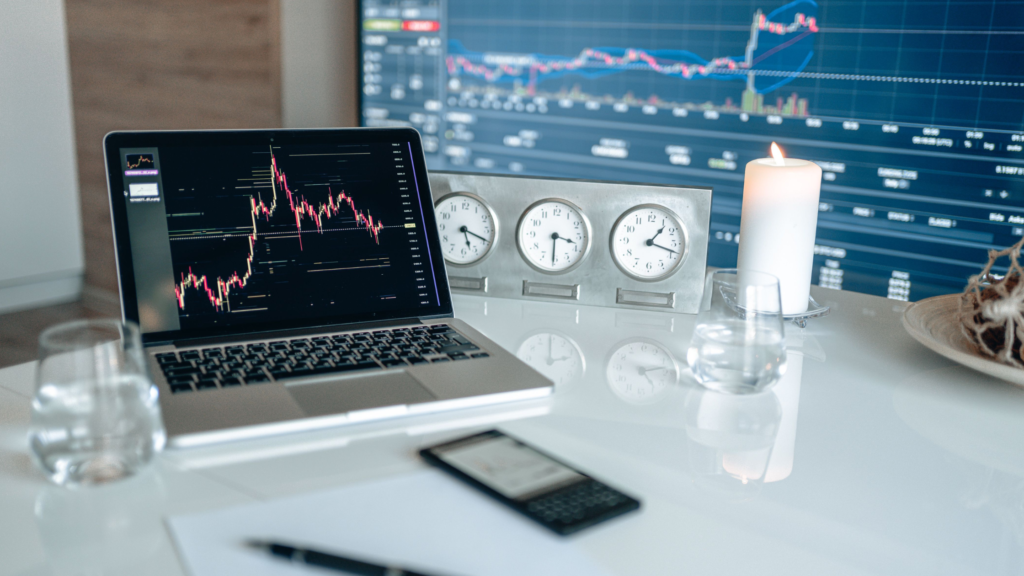
Have you ever thought about what the biggest trading market is in terms of volume and how surprisingly the pricing here only moves a few cents? It is the forex trading market. In this market, where daily trading volumes often exceed $7.6 trillion/ day, a fortune can flip just because a currency pair moves a few cents. As it already states, it’s huge, it’s always moving, and it never takes a nap.
Big banks, global corporations, and lone-wolf traders—they all exist here, swapping currencies around the clock, five days a week. There’s action nonstop. One day, it’s a central bank making headlines; the next, it’s some world event rattling everything. Just like indices and stock market trading, there is so much going on, and altogether it can seem like a big puzzle. So, if you have an interest in it, you must be curious about how forex trading works. Don’t worry, this blog will provide information and is your ideal beginner’s guide to the foreign exchange market.
Why So Many New Traders Struggle in Forex Trading
Here’s where most folks stumble. They jump in, dreaming of easy money, and get slapped down by wild price swings. One moment, you’re up and grinning; the next, you’re wondering how your account’s bleeding red if you’re trading blind—no plan, no clue—tiny mistakes pile up fast. The only way forward? Learn what actually drives this market. Figure out how trades really work, what leverage actually means, and just how global news and events can toss currencies around. Once you’ve got the basics, you’ll trade with your brain, not your gut.
What Exactly Is Forex Trading?
In the simple explanation, you’re exchanging one currency for another at an agreed price. Always in the form of currency pairs such as EUR/USD or GBP/JPY, and as a trader you buy one and sell the other major currency markets. These global markets are London (UK), New York (USA), Tokyo (Japan), Singapore, Hong Kong (China), Sydney (Australia), and Frankfurt (Germany).
Currency trading is digital, where buyers and sellers execute deals online. It’s fast, flexible, and open to everyone, and it offers enormous opportunities to earn consistent profits provided you are knowledgeable and motivated enough to make a mark.
How Things Happen in the Forex Trading Market
Currency prices fluctuate due to supply and demand. Inflation, interest rates, and politics—they all make it move up or down or hold its ground at a static price. If the U.S. cranks up interest rates, the dollar value usually increases. Whenever the world faces uncertainty, traders tend to run to safe currencies like the yen or the Swiss franc. If you think the euro’s about to outshine the dollar, you buy EUR/USD, and if you get it right, you walk away with a profit. Get it wrong, you take the hit. And here’s the wild part—even tiny price moves can make or break you, all thanks to leverage.
Understanding Leverage: The Good, the Bad, the Ugly
Leverage is what makes forex thrilling—and a little scary at the same time. It lets you swing big trades with just a fraction of the cash required for order execution when buying or selling. With a $1,000 account and 1:100 leverage, you are in a position to trade $100,000. Small price changes suddenly turn into real money—sometimes real fast. But yeah, the risk shoots up just as quickly. Therefore, you must use leverage with your eyes open. Moreover, always pick trustworthy brokers, set your risk limits, and never toss in more than you can afford. Always set your stop-loss before you even think about hitting “buy.”
A Quick Shout-Out to Indices
Forex grabs most of the spotlight, but don’t sleep on indices trading. Stuff like the S&P 500 or FTSE 100 lets you bet on entire markets or sectors, not just single stocks. Mixing foreign currency trading and indices simultaneously can smooth out the ride. When currency markets go quiet, indices might give you the action you’re after, keeping your trading steady.
The Must-Have Tools and Tactics
Want to actually survive—or maybe thrive—in forex? You’ll need three things:
– Technical Analysis: Learn the skills to read the charts and indicators, be aware of the trends, and spot the currency movement patterns.
– Fundamental Analysis: Follow the news, track economic reports, and see what’s moving the currencies.
– Risk Management: Always set your stop losses, size your trades wisely, and handle leverage with respect
-Choose a Reliable Trading Software Platform: It is important since MetaTrader 4 or 5 has all the bells and whistles required to make use of modern and digital features. Start with a demo account, improve with paper trading, use the learning resources, and copy trading accounts like those offered by top ECN brokers.
What Really Makes Forex Tick?
The best traders know what’s pushing prices around. Here’s what to watch:
– Central banks: When they change policies, raise interest rates, or implement other changes, everyone notices.
– Economic Data Stats: These important indicators drive currency pricing, and some of them include GDP numbers, job creation, and inflation reports—these numbers move the needle.
– Geopolitics News: Elections, wars, and trade fights—sometimes it all comes down to headlines.
– Market Circumstances: Sometimes it’s pure emotion and unpredictable market moves that originate because of fear, greed, or just a hunch.
Track these, and you’ll spot the big moves before most people even know what hit them.
Conclusion
Forex trading is fast and wild, and its market in terms of volume is the largest. It is a big opportunity for folks who are ready to learn its tricks and display the best psychological properties of traders. These traits include following best practices, avoiding being in a rush or greedy, and conducting currency trades based on analysis, not on gut feeling. It clearly favors the ones who put in the time—who learn the ropes, build a plan, and stick to it when things get rough. With the right knowledge, a clear strategy, and tight risk control, you can step into the world’s biggest market with confidence.
Understanding how Forex trading works is the first step toward making more informed decisions in the currency market. From learning about currency pairs and price movements to understanding trading strategies and risk management, beginners should build a strong foundation before investing real money. Choosing the right broker is equally important, as trading conditions, fees, regulation, and customer support can all affect your experience. Visit FxTrustScores to explore broker reviews, compare ratings, and evaluate different brokers before making your choice. Take time to research your options, practise with a demo account, and manage your risk carefully. Remember, Forex trading involves significant risks, and no strategy or broker can guarantee profits.